
Wedding Planner vs. Month-of Coordinator: What Does Your Wedding Actually Need?
There is a point in almost every wedding inquiry where someone says some version of:
“I think we just need someone for the month of?”
Sometimes they are absolutely right.
Sometimes, after ten minutes of talking, it becomes very clear that what they actually need is a wedding planner.
The difference is not how elaborate your wedding is or how much you are spending. It comes down to one question:
Do you need someone to execute the plans you have already made, or do you need someone to help make those plans in the first place?
Those are two very different jobs.
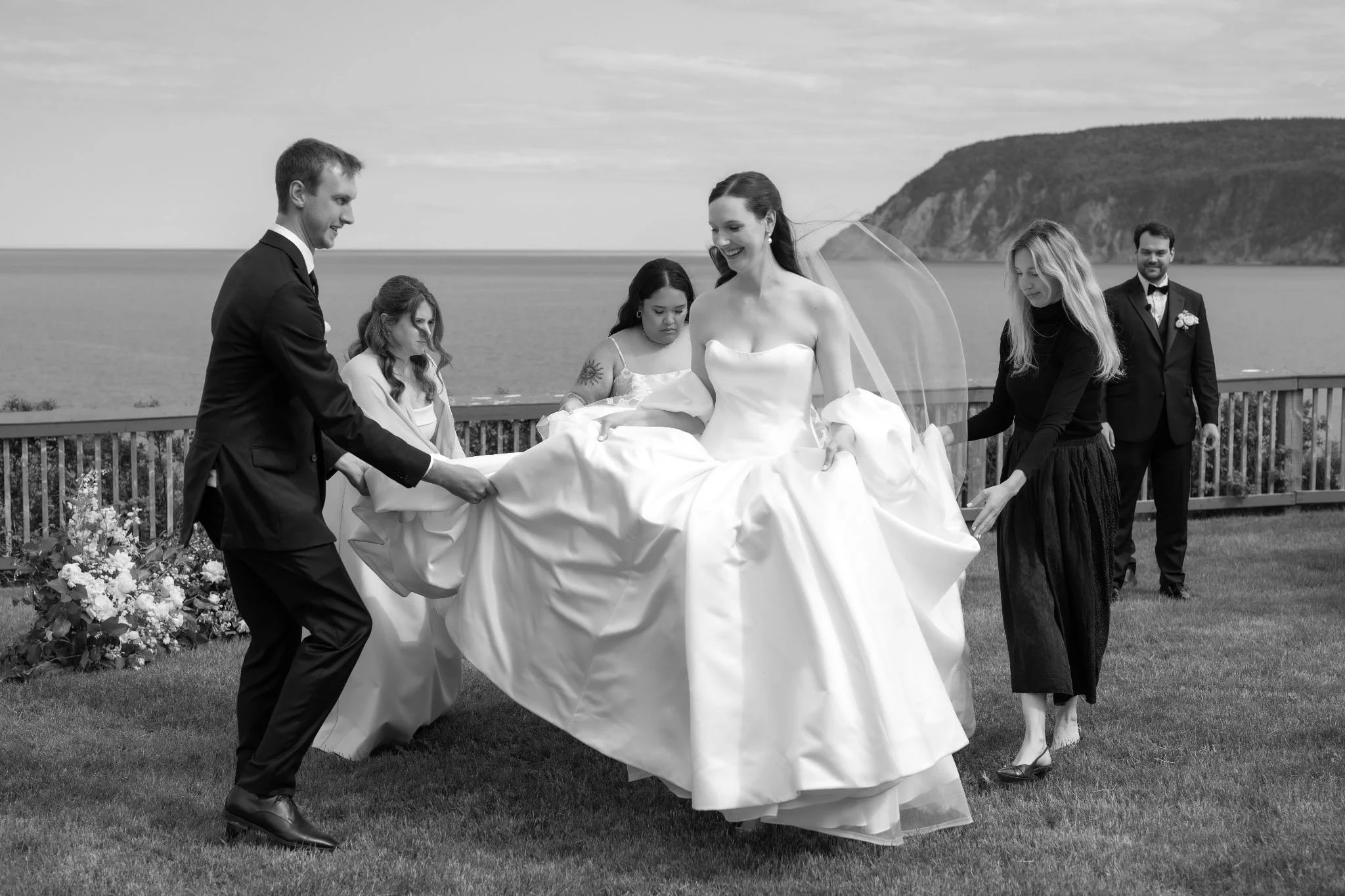
What does a month-of wedding coordinator actually do?
Despite the name, a month-of coordinator does not magically appear four weeks before your wedding and somehow learn twelve months of planning overnight.
At Derêves Studio, our Event Management service begins six weeks before the wedding so there is enough time to properly take over logistics, review contracts, understand the venue, communicate with vendors and build the final wedding-day plan.
By that stage, however, the major decisions should already be made.
Your venue has been booked. Your photographer, florist, entertainment and other vendors have been selected. Your rentals are decided. Your floor plan is mostly settled. Your menu is chosen. Your ceremony has a plan.
A coordinator takes all of those moving pieces and turns them into a functioning wedding day.
We confirm vendors, build the timeline, attend the venue walkthrough, manage rehearsal, oversee setup, troubleshoot in real time and make sure you are not the person answering questions while getting your hair done.
In other words, coordination is execution.
What does a full-service wedding planner do?
Full-service wedding planning starts much earlier.
A planner helps determine what the wedding should actually look like, cost and require before there is anything to coordinate.
That can include creating and managing the budget, sourcing venues and vendors, reviewing proposals and contracts, helping build the guest experience, developing the wedding design, managing rentals, tracking decisions and guiding the entire project from the beginning.
When we plan a wedding, we are constantly looking several steps ahead.
If we add a ceremony installation, what labour does that require?
If cocktail hour moves outside, what is the rain plan?
If dinner begins at 7:00, how does that affect photography, speeches and entertainment?
If we choose a particular table layout, does it actually fit the guest count and service style?
Planning is not simply having more meetings.
It is making hundreds of interconnected decisions in the right order.
The easiest way to tell which service you need
Ask yourself this:
If nobody helped me between now and six weeks before the wedding, would I be comfortable making all of the remaining decisions myself?
If the answer is yes, Event Management may be exactly what you need.
If you still need help finding vendors, understanding what things should cost, developing the design, deciding where to spend, figuring out rentals, solving venue logistics or determining what needs to happen next, you probably need planning support earlier.
And that is not a failure at being organized.
Most people have never produced an event for 100 or 150 people before. There is no reason you would automatically know the correct order in which to do it.
Design is another important distinction
This is where things get especially blurry.
Coordination does not automatically equal wedding design.
A coordinator can make sure your chosen linens arrive and that your florist knows when they can access the room.
That is different from deciding which linens should be there in the first place, how the flowers relate to the room, which chairs make sense, what the stationery should feel like, whether the lighting needs to change, and how every visual decision works together.
For couples who care deeply about how their wedding feels, not just whether it runs on time, that distinction matters.
More support is not always better
I also do not think every couple needs full planning.
If you genuinely enjoy planning, have the time for it, are confident communicating with vendors and already know what you want, paying someone to make decisions you would rather make yourself does not make much sense.
Good wedding planning should solve a problem.
Sometimes that problem is:
“We have planned everything. Please take it from here so we can actually enjoy our wedding.”
That is Event Management.
Sometimes it is:
“We know how we want the wedding to feel, but we have absolutely no idea how to turn that into a real event.”
That is planning.
The goal is not to buy the biggest package.
It is to know which job you are actually hiring someone to do.